

How do you maintain your 4×4 or off-road vehicle for optimal off-road use?
Off-road driving is one of the greatest pleasures for owners of a 4×4 or all-terrain vehicle. But driving over mud, sand and rocks demands a lot from your vehicle. Proper maintenance is not only important for the life of your car, it also improves safety and driving performance. In this article, I explain step by step how to look after your 4×4 after and before an off-road adventure, with practical tips and clear explanations of commonly used terms.
Why instant cleaning is important
Immediately after a trip through mud or deep sand, cleaning is crucial. Wet mud that dries can cling like concrete to suspension, brakes, axles and radiator. This can lead to overheating, wheel imbalance and even mechanical damage. Sand and dust also work their way into every crevice and accelerate wear of bearings and seals.
Action advisory: remove mud before it dries. Use a pressure washer with caution and rinse the underbody and wheel arches especially well. Avoid direct, strong jets on electronic components and engine compartment to avoid short circuits and moisture problems.
Washing and treating surfaces
An automatic car wash with undercarriage wash can quickly remove a lot of dirt. At home, you can tackle stubborn dirt with soft microfibre cloths, a good car shampoo and suitable brushes. Use brushes with proper bristles for the surface to be cleaned to avoid scratches.
After washing, it is wise to apply a protective layer, for example a silicone-dioxide-based sealant. This ensures water beading on paintwork, windows and wheels and makes future cleaning easier. Apply such agents to a cool, wet surface and rinse immediately according to instructions to reduce water stains.
Check undercarriage and brakes
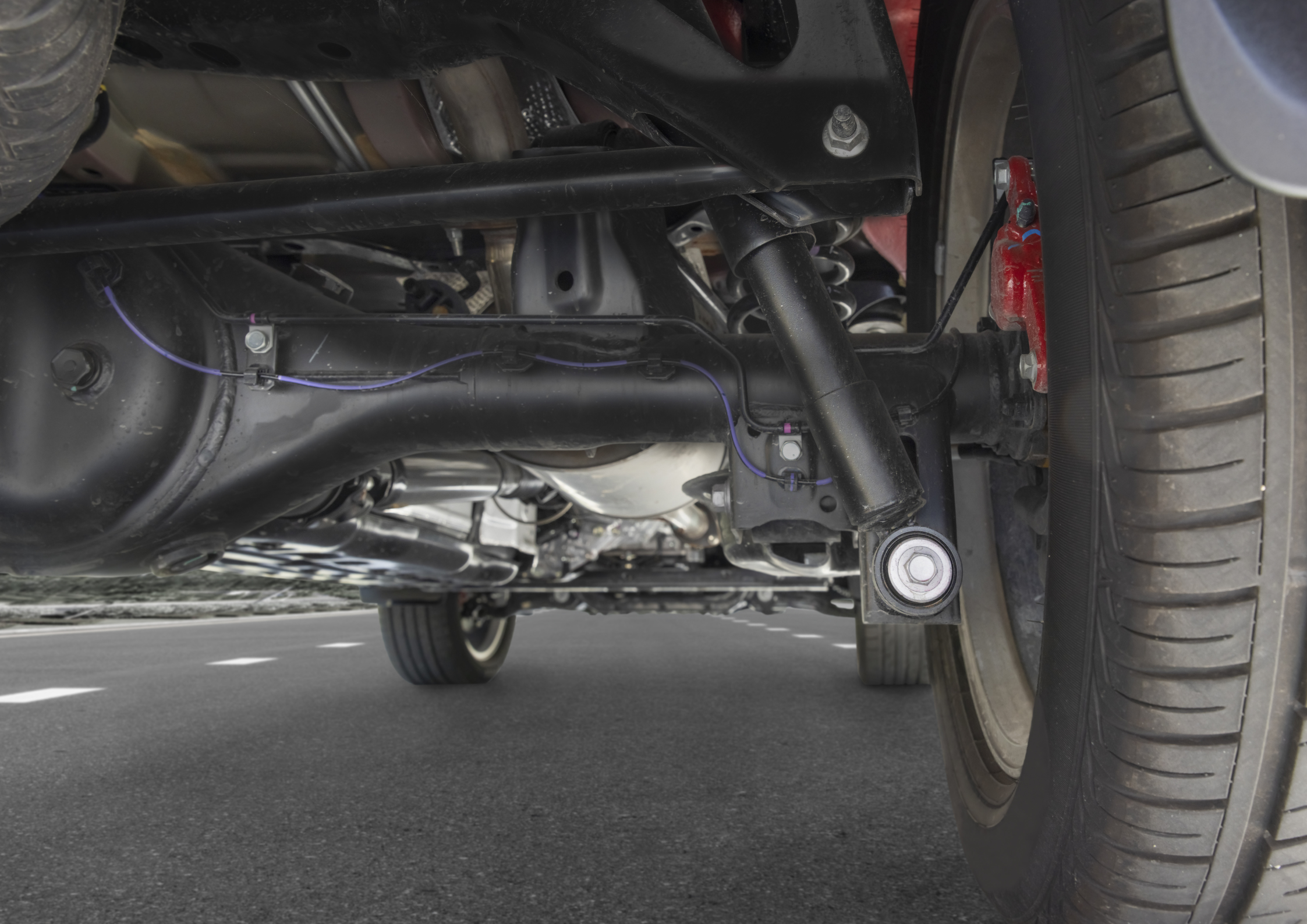
The suspension absorbs most of the knocks and dirt. Always check for the following: loose bolts, damaged protective plates, leaks in shock absorbers and worn rubbers or bushings. Also check that brake lines and drums are free of sand and mud; contamination in brake components reduces braking power and can lead to failures.
Term explained - Shock absorber: a component that absorbs shocks and provides control over wheel contact with the ground. A punctured or severely damaged shock absorber reduces stability and comfort.
Tyres, suspension and alignment
Tyres are your connection to the terrain. Check for cracks, cuts, bumps and check the tread. Adjust tyre pressure to the terrain: lower pressure gives more grip on sand and rocks, but don't go too low or you risk wear damage or rim damage. Measure and record PSI before and after the trip.
After rough terrain, alignment and balancing is wise when you see vibrations or irregular wear. Check wheel bolts and bearings for play - a loose wheel may indicate damaged wheel bearings or drive components.
Fluids and filters
Off-road conditions put extra strain on engine, transmission and differentials. Check oil, transmission and differential fluids regularly for colour and odour. Cloudy or milky colour in transmission or diff fluids often indicates water contamination, e.g. after wading through.
Change fluids according to manufacturer's recommendations or more often under heavy load. Clean or replace air filters quickly after dusty journeys; a clogged air filter reduces power and increases fuel consumption. For vehicles with foam filters, cleaning and treating with oil is often necessary, while paper filters should usually be replaced.
Drivetrain, differential and transfer case
The drivetrain includes axles, differentials and the transfer case. The differential distributes torque to wheels, and the transfer case distributes power between front and rear axles. Check these components for leaks and contamination. Lubricate and change gear oil as prescribed; contaminated oil accelerates wear of gears and bearings.
Term explained - Differential:
A mechanism that allows wheels on the same axle to have different speeds, important when cornering. Damage causes irregular handling and can lead to costly repairs.
Electrical system and battery
Salty or muddy conditions can corrode electrical contacts. Check battery terminals, wiring and sensors for corrosion and water ingress. Make sure cables are tight and rubber covers are intact to keep moisture out.
Preparation: what you always take with you
For emergencies and trail work: a set of basic tools, tow or recovery rope, hi-lift jacket, compressor pump, spare tyre, fuses, fuel and oil filters and a set of portable fluids. Also add waterproof gloves, a spade and a small set of tool spanners.
When to the garage?
Schedule a professional inspection if you notice marks like unusual noises, vibrations, smoke or loss of power. Have the suspension, drive shafts and braking system checked periodically by a specialist. Some damage only becomes visible later and early intervention saves a lot of costs.
Summary and maintenance frequency
After every heavy ride: thoroughly rinse under and around the wheels, dry and lubricate wear points and check fluids. Weekly or in case of heavy use: inspect tyres, brakes and suspension. Periodically (according to manufacturer or every 5,000-15,000 km depending on conditions): fluid changes, alignment and comprehensive suspension check.
With proper maintenance, you can prevent unexpected breakdowns and keep your 4×4 in top condition for future adventures. Invest time in inspection and cleaning: it will pay off in reliability, safety and driving pleasure.