

A standard exhaust does its job, but for many vehicle owners it is not enough. Whether you want better flow for more power, are aiming for a specific sound, have an off-road vehicle with a custom base plate or simply need an exhaust that is not available anywhere else, a custom exhaust offers possibilities that a universal system cannot.
In this article, we discuss the difference between a standard and a custom exhaust, the advantages of customisation, the role of sound and fit, and when a custom exhaust is the most logical choice.
Standard exhaust vs. custom customisation
A standard exhaust is designed for mass production: it fits a wide range of vehicles of the same model, is relatively cheap and quick to deliver. For the average driver, this is fine. But once the vehicle deviates from the factory configuration, due to lift kits, modified underbody, engine modifications or a non-standard chassis, a standard system rarely fits properly.
A custom exhaust is fully customised for the specific vehicle. Every bend, diameter and weld is tailored to the exact dimensions and intended use. This results in a better fit, less vibration and a system that optimally fits the engine and the vehicle's handling.
Customisation is thus not only a matter of aesthetics, it is in many cases the most functional and sustainable choice.
Better flow and more power
One of the most frequently cited reasons for choosing a custom exhaust is power gains. In most cases, the standard exhaust is a compromise: it has to meet emissions standards, reduce production costs and work for a wide range of driving conditions. This means that the diameter, bends and internal resistance are rarely optimal for maximum flow.
A tailor-made exhaust with the right pipe diameter, smooth bends and a suitable silencer can significantly improve exhaust gas flow. In tuned engines or vehicles with increased power, this results in a noticeable improvement in power and torque. In atmospheric engines, the gain is usually modest but present; in boosted or turbocharged engines, a free-flowing system can make all the difference.
Sound: from discreet to present
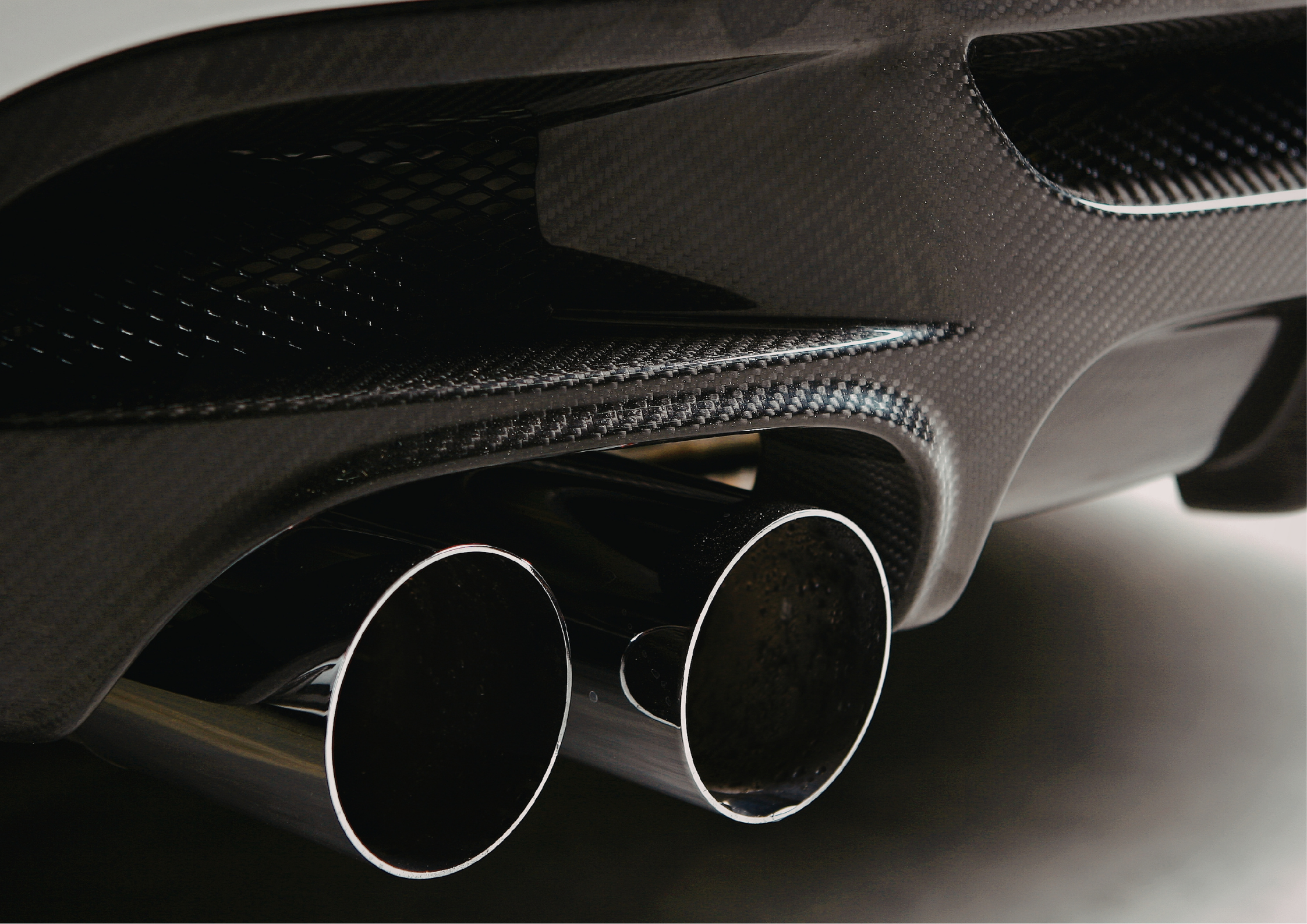
For many riders, the sound of the exhaust is at least as important as the technical story behind it. A custom exhaust offers complete control over the final sound, from a subtle, full tone to a pronounced and powerful sound that suits the character of the vehicle.
The choice of damper plays the biggest role in this. A straight-through silencer or glass pack gives a fuller, more present sound with little back pressure. A chambered silencer produces a deeper, more controlled tone. If you want a more discreet result, opt for a high-quality soundproof version that still offers improved flow compared to the original.
For off-road vehicles and 4×4s, a distinct exhaust sound is popular; it suits the vehicle's character and driving style. When choosing, do take into account local regulations around maximum noise levels for vehicles on public roads.
Fit on modified and off-road vehicles
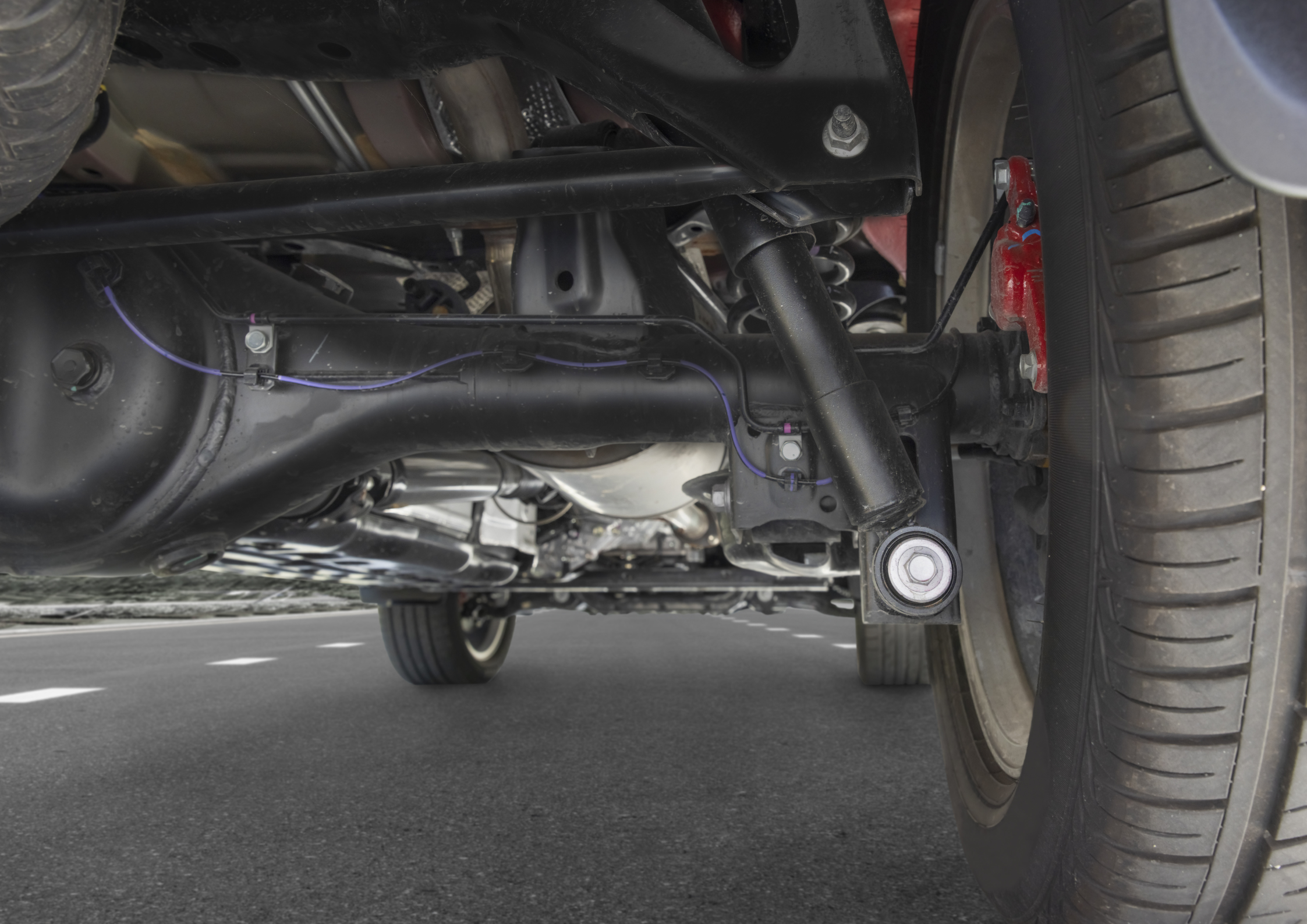
For standard street cars, suitable aftermarket or sports exhaust systems are often still available. But once the vehicle is modified, the situation changes. A lift kit raises the body relative to the chassis, which changes the clearance around the exhaust. A modified skidplate, altered suspension points or a different exhaust manifold soon make a standard system unusable.
At off-road vehicles a custom exhaust is therefore often not a choice but a necessity. A custom system is measured and welded on site, ensuring a perfect fit around the modified substructure. This prevents abrasion noise, vibrations and break points that occur when a non-fitting system is fitted under tension.
The same applies to vehicles with custom engines, engine swaps or non-standard exhaust manifolds. An experienced custom fabricator can build a system to fit any starting point, regardless of configuration.
Choice of materials: steel, stainless steel or titanium
A custom exhaust also offers freedom of choice in material. Mild steel is the most affordable option and suitable for vehicles that are not intensively exposed to water or mud. Stainless steel is more durable, corrosion-resistant and the most common choice for off-road applications where the system regularly gets wet and dirty. Titanium is the lightest and most heat-resistant material, but also the most expensive, it is mainly used in racing and performance use.
For most off-road and 4×4 applications, stainless steel is the best balance between price, weight and durability. A properly welded stainless steel exhaust will last for decades, even in harsh conditions.
Request a quote for your custom exhaust
Whether you need a custom exhaust for a modified 4×4, a souped-up street vehicle or a specific off-road application, at Lensen Products we have the knowledge and facilities for custom fabrication. We measure on site, advise on material and sound and weld a system that fits your vehicle perfectly.
Request a free quote for your custom exhaust and tell us about your vehicle and wishes.
Do you have questions about exhaust parts or material types? Contact our specialists - we are happy to think with you about the best solution.
Frequently asked questions
Once your vehicle deviates from the factory configuration, due to a lift kit, engine modification, engine swap or modified chassis, a standard exhaust rarely fits properly. A custom exhaust is custom welded and always fits perfectly.
For most off-road and 4×4 applications, stainless steel (RVS) is the best choice. It is corrosion resistant, durable in wet and muddy use and offers the best balance between price, weight and service life.
In tuned or boosted engines, a custom-made exhaust with the right pipe diameter and smooth bends can significantly improve exhaust flow. In atmospheric engines, the gain is more modest, but present.
Yes. The choice of damper largely determines the final sound, from subtle and full to pronounced and powerful. A straight-through damper gives a fuller sound, a chambered damper a deeper and more controlled tone.