

If you are serious about preparing your 4×4 for rough terrain, there are some upgrades that give the biggest impact on safety, performance and driving pleasure. In this article, we cover the five essential upgrades, explain technical terms and give practical tips on selection and installation. Whether you ride trails regularly or start overlanding, these upgrades will take your off-road experience to the next level.
1. Reinforced suspension and shock absorbers
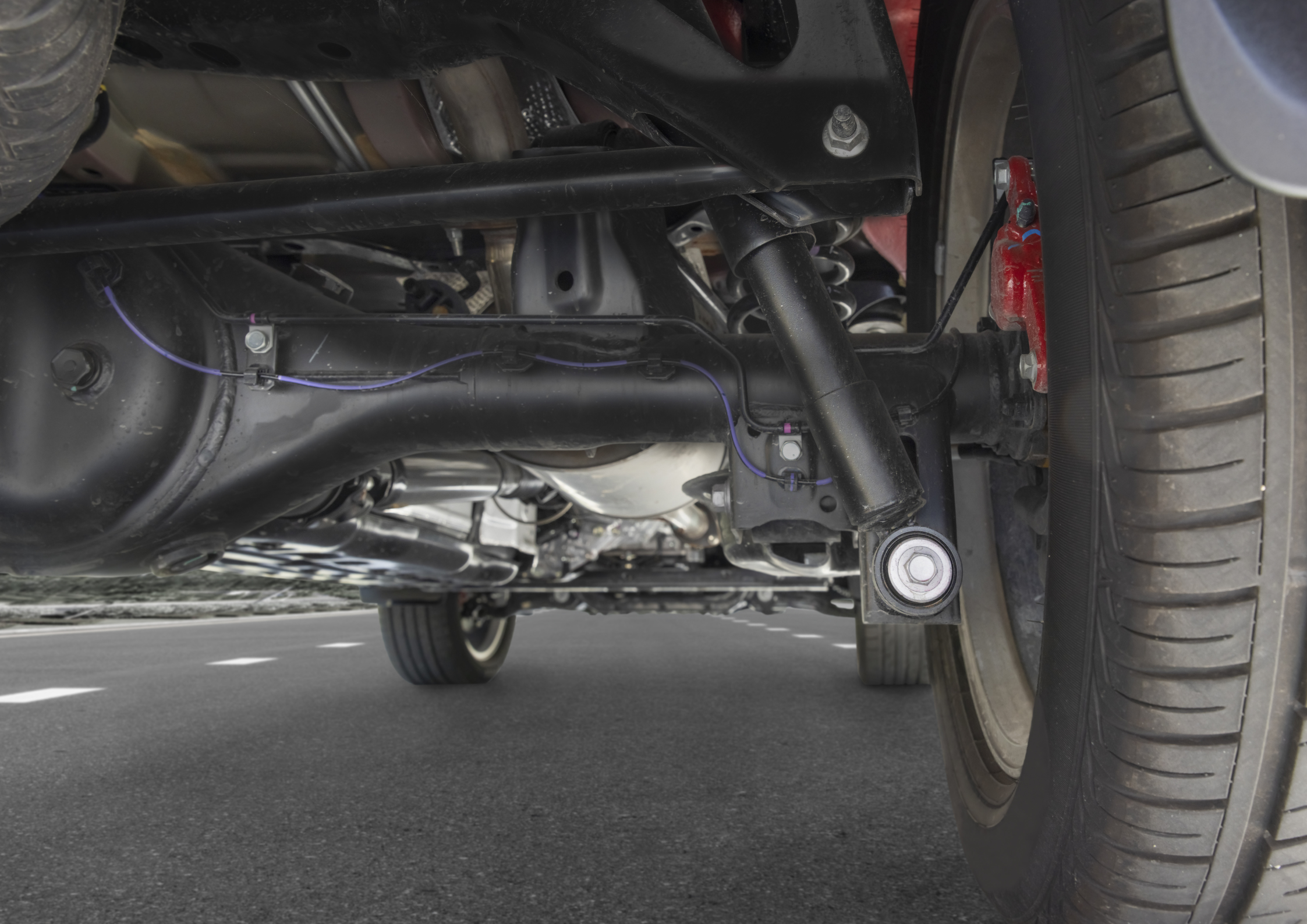
Why this matters: The standard suspension of many vehicles is designed for comfort and fuel efficiency, not for absorbing repeated heavy impacts and large articulation on trails. A good suspension upgrade improves traction, stability and ride comfort, and reduces the risk of chassis and component damage.
What to consider
Lift kit: A lift kit increases ground clearance, allowing you to negotiate larger obstacles without hitting the underside. For most recreational users, 2-3 inches will suffice; for heavier rock-crawling setups, choose 4-6 inches, but keep in mind modifications to axles and drivetrain.
Shock absorbers: Choose mono-tube or reservoir (remote) shock absorbers for long-term performance. Mono-tube dampers have better heat dissipation and consistent damping; reservoir dampers offer extra oil circuit and cooling for extremes of use. Brands like Bilstein, Fox and King are well known, but always choose based on application and vehicle weight.
Control arms and sway-bar options: For lifts above 2 inches, stronger control arms are recommended for correct wheel position and wear reduction. For maximum articulation, you can use sway-bar disconnects; they increase wheel-travel off-road, while aftermarket off-road sway bars offer a good middle ground for everyday use.
2. Tyre, wheel and gearing optimisation
Why this matters: Tyres largely determine your grip and handling on mud, sand and rocks. Larger tyres improve ground clearance and traction, but also change the driveline's gear ratios.
Tyres and wheels
Choose between all-terrain for versatility and usability on the road, or mud-terrain for maximum grip in soft ground. Beadlock wheels are an option when you ride a lot with low tyre pressure; they prevent the tyre from coming off the rim.
Re-gearing and lockers
If you fit significantly larger tyres, consider re-gearing of the differentials to prevent lost acceleration and additional wear. A re-gearing brings the ratio back to optimum rev range and engine load. In addition, it improves lockers (differential locks) traction by sending power evenly to both wheels of an axle - essential in technical off-road situations.
3. Armour: skid plates, rock sliders and bumpers
Why this matters: The underside and sides of your 4×4 are vulnerable to rocks, stumps and debris. Protection prevents expensive repairs and ensures critical components remain intact during a tour.
Skid plates Protect engine, gearbox, transfer case and fuel tank. Choose steel for maximum protection or aluminium for a good balance between weight and strength. Rock sliders protect sills and doors and often provide a tread to reach the roof. Robust front and rear bumpers can also act as mounting points for accessories such as a winch.
4. Self-sufficiency: winch, diff-breathers and snorkel
Why this matters: Offroad means risk of getting stuck, deep water and mud - equipment that allows you to recover yourself increases your safety and gives independence from help.
Winch
Choose an electric winch with a pulling force of at least 1.5 times the weight of your vehicle. Pay attention to cable type (steel versus synthetic), mounting points and protection against water and dust. A good fairlead and high-quality harness/anchor point are crucial for safe recoveries.
Diff breather and snorkel
Diff breather kits extend the breather hoses of differentials and transmissions to higher and drier mounting points. This prevents water and modding entry in transit. A snorkel moves the air intake to roof height, allowing you to wade deeper without engine damage. Both upgrades are must-haves for water crossings and deep muds.
5. Lighting and electrical upgrades
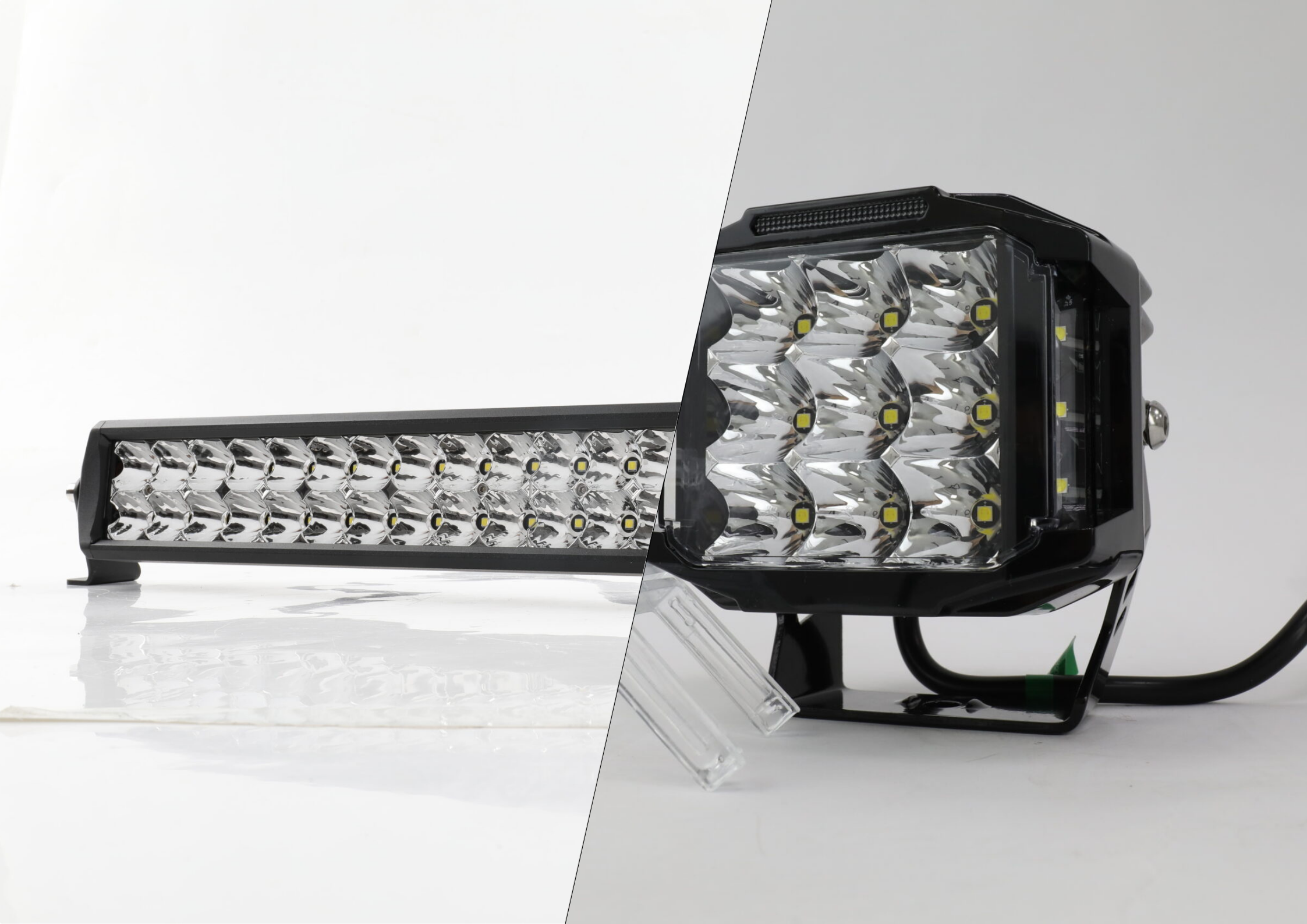
Good lighting is essential for safe night driving and navigation. High-efficiency LED lightbars on the roof or bumper, supplementary spotlights and work lights on the rear offer overview and visibility. Make sure the electrical system is correctly fused, with separate switches and suitable relays, so your battery and charging current can safely cope.
In addition, it is wise to look at a dual battery set-up or lithium assist for long trips with many accessories, so that starting power and accessories remain independent.
Practical tips for choosing and installing
1) Start with what you really need for your terrain. Not every upgrade is necessary for every type of off-road riding. 2) Take extra weight into account. Winches, bumpers, skid plates and larger tyres increase mass and affect braking and steering. Consider brake and brake cooling upgrades if needed. 3) Professional fitting for more complex items such as re-gearing, lockers and extended suspension pays off in safety and durability. 4) Check local regulations for lighting and exhaust modifications and regularly maintain your new parts.
Conclusion
The right combination of suspension upgrades, tyres and wheels, armour, self-rescue equipment and lighting will transform your 4×4 from a standard vehicle into a reliable off-road beast. Invest in quality, think about the relationship between components (weight, gearing, brakes) and have specialist installations done where necessary. That way, you will get the most out of every adventure and return safely from the trail.
Tip: Make a plan and upgrade step by step. Start with suspension and tyres, then add armour and recovery gear, and round off with lighting and driveline upgrades. Have fun and safe adventures on the trails!