

An engine upgrade, a lift kit, heavier tyres and a higher ride height: many off-road riders invest extensively in their vehicle's powertrain and suspension. But the brakes remain underexposed in most builds, until the moment the vehicle becomes too heavy or too fast for the original braking system.
A big brake kit enlarges the brake discs, improves braking power and reduces the thermal load on the braking system. In this article, we explain how a brake system works, when an upgrade is needed, what exactly a big brake kit entails and what to look out for when choosing one.
How does the braking system of a 4×4 work?
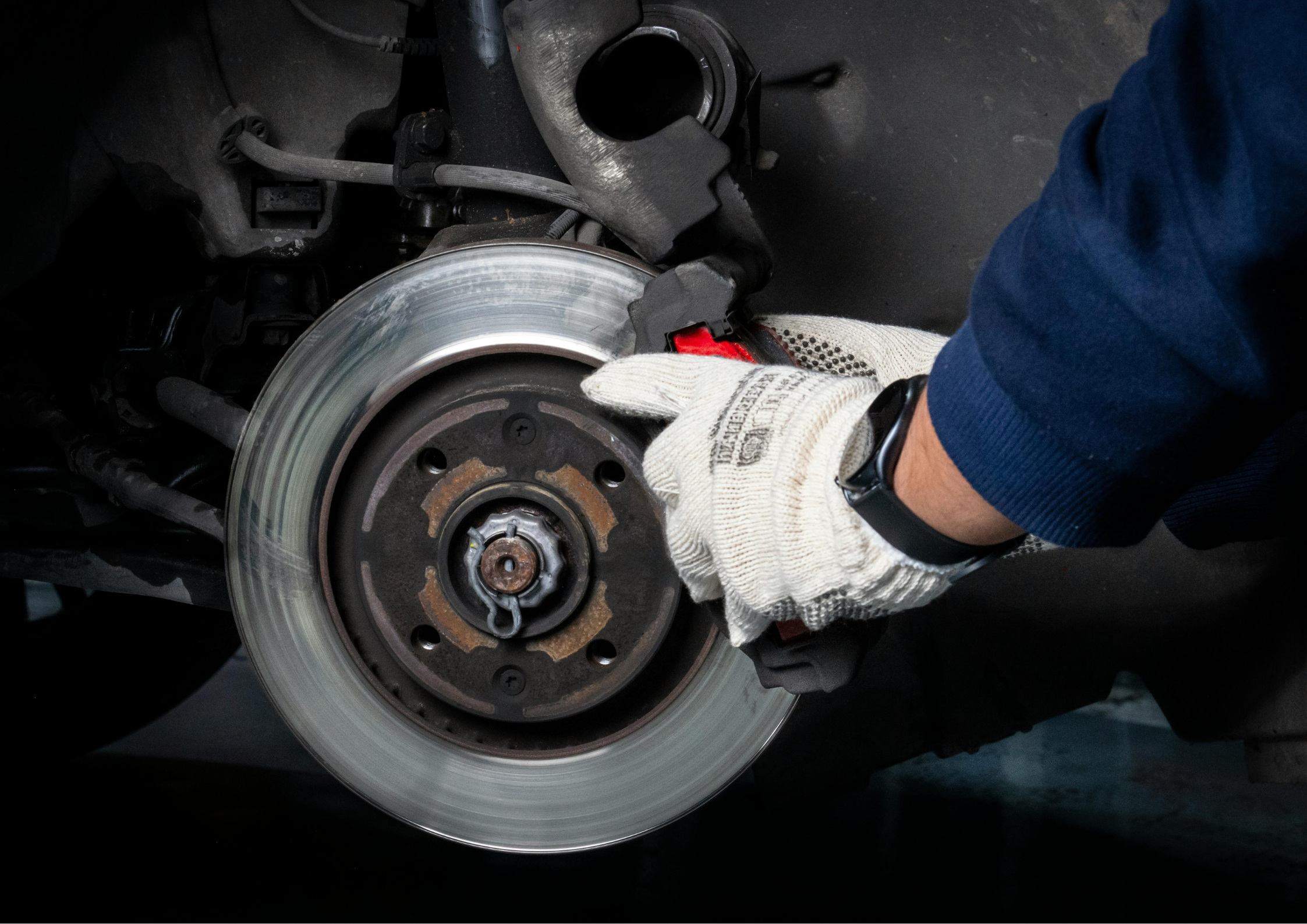
A vehicle's braking system converts driving speed into heat through friction. The caliper clips the brake pads together on either side of the brake disc. The friction slows the rotation of the disc and thus the wheel. The larger the disc, the greater the leverage and the more effective the braking force per unit of caliper pressure.
A larger disc surface also has more mass to store heat in. This is crucial during intensive brake use, such as descending steep slopes, repeated hard braking on the track or slowing down a heavily loaded vehicle. A disc that is too small overloads thermally, leading to brake fade: the loss of braking power due to overheating of the brake fluid and pads.
When are bigger brakes necessary?
After fitting heavier tyres
Larger tyres have a larger rolling radius. This increases the leverage between the caliper and the road, meaning the brakes have to work harder to achieve the same deceleration. A vehicle with 35-inch tyres demands significantly more from the braking system than the same vehicle with the original 30-inch tyres, even at the same weight and speed.
As a rule of thumb, with a tyre size of 33 inches or larger, it is wise to evaluate and possibly upgrade the braking system. The original brakes are matched to the factory tyre size and get out of their optimum operating range with larger diameters.
After significant weight gain
Off-road accessories add up quickly in weight. A steel front bumper with winch, sidesteps, a roof tent, roof rack with spare wheel and fully loaded equipment can increase the total weight of a 4×4 by 300 to 600 kilograms compared to the factory configuration. More weight means more kinetic energy at the same speed, and thus higher demands on the braking system to absorb that energy.
A big brake kit with larger discs and a heavier caliper provides the extra braking capacity needed to bring a heavier vehicle to a safe stop, even during high-speed emergency braking.
For intensive use on slopes and heavy terrain
Off-road driving places different demands on the braking system than on-road use. When going down steep slopes, the braking system is subjected to prolonged loads to keep the vehicle at a controlled speed. This leads to high thermal loads on the discs and brake fluid. A standard brake system can overheat under prolonged load, leading to brake fade when you need the brakes most.
A big brake kit with ventilated or slotted discs cools faster and retains braking power longer under heavy use. This is the direct reason why expedition and overland vehicles that regularly travel over mountain roads benefit from larger brakes.
What's in a big brake kit?
A big brake kit consists of several parts that together upgrade the braking system. The core is the larger brake disc, typically 30 to 60 mm larger in diameter than the original disc. Larger discs require a modified caliper that can span the larger disc. In most kits, the caliper is a multi-legged version with two or four pistons per side, which ensures more even distribution of caliper pressure across the brake pad.
In addition, the kit includes an adaptation bracket that mounts the new caliper to the original suspension, brake pads matched to the new caliper and sometimes an extended brake hose to correctly connect the larger caliper to the braking system.
Some kits also come with slotted or drilled discs. Slots and bores in the disc surface improve heat dissipation and remove gas build-up between block and disc, which improves the responsiveness of the braking system in hot discs.
View our product range big brake kits for 4×4 vehicles for an overview of available kits and compatible models.
Compatibility and wheel space
A larger brake disc requires more space behind the wheel. This is an important consideration when choosing a big brake kit. The inner size of the rim should provide sufficient space for the larger disc and caliper. On most off-road vehicles with 16- or 17-inch rims, there is enough room for a significant disc enlargement. For smaller rims, the rim choice can be a limiting factor.
Always check the minimum rim size specified by the big brake kit manufacturer. Fitting an oversized disc in a rim that is too small leads to contact between the claw and the rim spokes, which is dangerous and causes direct damage.
Brake fluid and maintenance after an upgrade
A larger caliper with more pistons requires a larger fluid volume per brake application. This affects brake feel and brake pedal response. After fitting a big brake kit, it is always necessary to thoroughly bleed the brake system and replace the brake fluid with fresh fluid with the correct boiling point.
For intensive off-road and hillside use, we recommend a DOT 5.1 type brake fluid, which has a higher dry boiling point than standard DOT 4 fluid. This reduces the risk of vapour bubbles in the brake system under high thermal loads.
After the first rides with the new brakes, check the caliper pressure and condition of the pads. New brake pads and discs need a break-in period where the contact surfaces wear to each other for optimum braking performance.
Want to upgrade your entire off-road setup? Also read our blogs on reinforced side axles, the coilover for your suspension and the air locker for maximum traction.
View our range of big brake kits
A big brake kit is one of the most impactful safety upgrades you can make to a heavy or modified off-road vehicle. Larger discs, more claw pressure and better thermal capacity give you peace of mind that the vehicle remains controllable even in the toughest conditions. See our full range of big brake kits and find the kit that suits your vehicle and use.
In doubt about compatibility with your rims, tyres or vehicle model? Contact us for personal advice. Our specialists will be happy to help you make the right choice.