

The future of off-road technology: innovations changing your 4×4 experience
Off-road driving has never been all about strength and courage anymore; it is an interplay of technology, data and smart tools that make your ride safer, more efficient and more fun. In this comprehensive blog, we explore the key technology trends that are already pushing the boundaries of nature and will dramatically change your 4×4 experience in the years to come.
1. Smart navigation and situational awareness
Traditional GPS is no longer sufficient in remote areas. Modern systems combine offline topographic maps, real-time weather forecasts, elevation models and trail data from other riders. These advanced navigation uses multiple data streams. This allows you to assess risks in advance, plan alternative routes in case of deteriorating weather and more accurately determine how difficult a path actually is.
An important concept here is geo-fencing: digital borders that warn when you are approaching a prohibited or risky area. Combined with satellite communication and emergency signals, this ensures that you can be found faster in emergencies, even where mobile coverage is lacking.
2. Camera and sensor fusion: look around your vehicle
The latest 4×4s have multiple cameras and sensors that merge their images and data into one clear overview. 360-degree cameras, ultrasonic sensors and LiDAR can work together to create a real-time 'bird's eye view', which is crucial in narrow passages or rocky climbs.
Sensor fusion also helps with electronic spotting. Where previously a person outside the car gave directions, systems can now automatically assess angles, mark obstacles and provide steering or throttle assistance to avoid damage. This means fewer scratches and more confidence during technical passages.
3. Safety techniques: from ABS to autonomous assistance
Many safety innovations we know from the road are also available offroad or are specially adapted. Examples are ABS (anti-lock braking system) and ESC (electronic stability control), as well as hill-descent control, automatic differential lock and electronic traction control. These systems work together to reduce wheel slip and maintain stability on steep or loose surfaces.
The next step is partial autonomy: systems that automatically drive down a slope, cross a difficult obstacle or optimise traction during slow driving. This does not remove the technical burden from the driver, but provides additional safety and precision.
4. Connected offroad: communication without borders
Communication is vitally important when heading into the wilderness. Robust mesh networks are now appearing alongside traditional CB and VHF radios, vehicle-to-vehicle (V2V)-communication and affordable satellite options. Mesh networks create a local communication field between multiple vehicles, allowing you to always stay in touch in convoy, even in poor coverage.
Satellite communication also offers the possibility of sending SOS messages and real-time location. Combine this with telematics and you also get remote vehicle diagnostics, which greatly speeds up repair planning and assistance.
5. Electrification and hybrid 4×4 systems
The rise of hybrid and electric 4×4s changes the rules of the game. Hybrid systems deliver torque directly from electric motors, which is useful on technical routes where low speed and high traction are required. Electric propulsion also reduces noise and vibration, allowing you to drive more quietly through natural areas and disturb less wildlife.
Practical concerns include range, charging capabilities and heat management under heavy load. Manufacturers are working on faster charging systems and energy-efficient tools to maintain off-road characteristics without compromising range.
6. Adaptive suspension and smart drivetrain
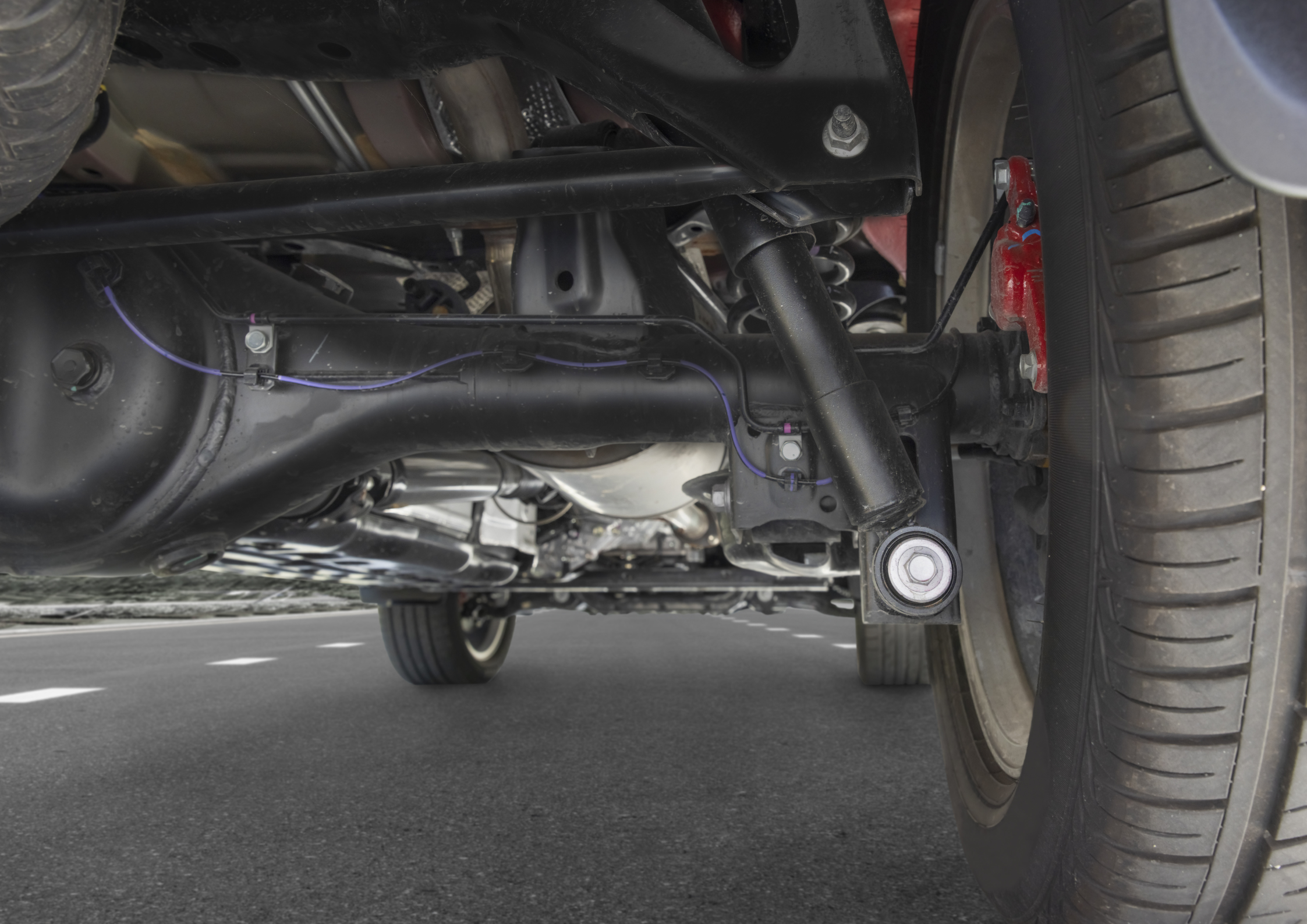
Technologies such as electronically adjustable suspension and programmable differentials allow ride height, damping and torque distribution to be adjusted in seconds via a menu or automatically by the vehicle. A Terrain Management System (TMS) is central: at the touch of a button, you choose modes for mud, sand, rock or snow and the vehicle optimises engine response, transmission strategy and traction controls.
Such systems increase the usability of your 4×4 and reduce the risk of jamming or mechanical damage by ensuring the vehicle is always operating in the correct configuration.
7. Accessories and hardware: what you really need
Electronics are powerful, but physical upgrades remain essential. Think robust tyres with custom tread, skid plates for the underside, a reliable winch and protected lighting. Modern LEDs and light bars are compact, economical and extremely bright, making night navigation safer.
A good set of communication tools, a first aid kit, recovery equipment and water reserves are indispensable. Combine smart tech with solid hardware and you have both reason and means to keep riding safely.
8. Practical tips and responsible use
Technology can take many tasks off your hands, but not all the thinking. Practice with new systems before deploying them in a tricky situation, keep training in driving techniques and don't underestimate the environment. Think about tyre choice, adjusting tyre pressure while driving and preventive maintenance of your vehicle.
Respect nature and routes: modern tools make it easy to reach difficult terrain, but always consider the environment, regulations and local adventure communities.
Frequently asked questions (in brief)
Are hybrid 4×4s really better off road? Yes, because of instant torque and fine control at low speed, but you have to consider charging infrastructure and cooling management.
Do electronics replace my driving skills? No. Electronics help and protect, but good engineering and driver decisions remain crucial.
Which upgrade first? Start with tyres and suspension; they affect grip and safety most directly.
In summary, the future of off-road riding is connected, adaptive and more efficient. By combining smart electronics with robust hardware and responsible driving, you get the most out of every adventure. Prepare, keep learning and enjoy the freedom that off-road life offers.